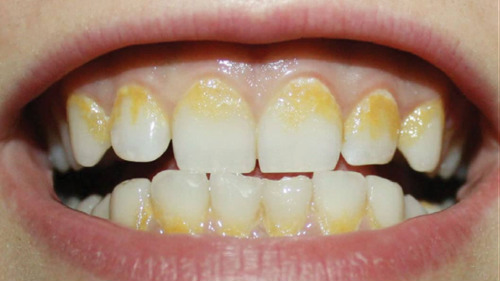
If you’ve ever been told you have plaque on your teeth, you’ve already encountered biofilm, whether you realized it or not. Biofilm plays a major role in oral health, influencing everything from cavities to gum disease. Understanding what it is and how to manage it can make a big difference in your daily oral routine.
What Is Biofilm?
Biofilm is a thin, sticky layer of microorganisms, primarily bacteria, that forms on surfaces in the mouth. It develops when bacteria attach to teeth, gums, and even dental restorations and embed themselves in a protective matrix.
In simple terms, biofilm is dental plaque in its early and active stage.
Biofilm is unique (and potentially dangerous) because it’s typically invisible, adheres strongly to surfaces, and can harden into tartar (calculus) if not taken care of. It also allows bacteria to multiply and communicate, and keeps these bacteria from being easily removed.
Why Is Biofilm Harmful?
Biofilm isn’t a harmless coating; it’s a living ecosystem. As bacteria feed on sugars from your diet, they produce acids and toxins that can lead to:
- Tooth Decay: Acid-producing bacteria weaken enamel, eventually causing cavities.
- Gum Disease: Toxins in biofilm can irritate gums, leading to gingivitis (early gum disease) and potentially periodontitis (advanced gum disease).
- Bad Breath: Certain bacteria release sulfur compounds that contribute to chronic halitosis (bad breath).
- Systemic Health Concerns: Research has linked oral biofilm to broader health issues like heart disease and diabetes complications.
Where Does Biofilm Form?
Biofilm can develop anywhere in the mouth, but it commonly accumulates along the gumline, between the teeth, on the tongue, in hard-to-reach areas, and around dental work like crowns, bridges, and implants.
How Do You Get Rid of Biofilm?
The key to controlling biofilm is consistent, effective oral hygiene. Because biofilm forms continuously, you need to be on top of your care.
Brush Properly
Use a soft-bristle toothbrush and fluoride toothpaste, paying special attention to your gumline. Brush for at least two minutes, twice a day. Consider an electric toothbrush if you need extra help removing stubborn biofilm.
Note: You should replace your toothbrush every three to four months.
Floss Regularly
Flossing helps you remove biofilm from areas your toothbrush can’t reach, such as between the teeth where decay and gum disease often begin. You should floss at least once a day, preferably before brushing for better disruption. If you don’t like traditional floss, consider using a water flosser or interdental brush.
Use an Antimicrobial Mouthwash
Mouth rinses can help reduce bacteria levels and slow biofilm buildup, especially in hard-to-reach areas. Look for mouthwashes that contain ingredients like chlorhexidine gluconate or essential oils.
Clean Your Tongue
The tongue can harbor large amounts of bacteria. Use a tongue scraper or your toothbrush to gently clean it to keep biofilm at bay and help prevent bad breath.
Maintain Regular Dental Cleanings
Even with the best home care routine, you may still have hardened biofilm (tartar) in your mouth. During professional cleanings, hygienists remove buildup above and below the gumline to prevent gum disease. Regular exams also allow dentists to detect problems in the early stages.
Watch Your Diet
Frequent sugar intake feeds the bacteria that form biofilm. To protect your smile, limit sugary and starchy snacks and drinks, like candy, soda, chips, and white bread. Drink plenty of water and choose tooth-friendly foods like crunchy vegetables, fruits, and whole grains.
Can Biofilm Be Completely Eliminated?
You can’t entirely eliminate biofilm from your mouth, and this is completely normal. Biofilm begins forming again within hours after cleaning your teeth. The goal isn’t total elimination but consistent disruption, so it doesn’t mature into something harmful.
Signs You May Have Excess Biofilm
Biofilm isn’t always detectable, but common warning signs include:
- A fuzzy or coated feeling on teeth.
- Bleeding when brushing or flossing.
- Persistent bad breath.
- Yellowish buildup near the gumline.
- Increased tooth sensitivity.
If you notice these signs, your oral hygiene routine may need improvement, or you may need to schedule a dental visit, especially if biofilm has evolved into tartar.
Stay on Top of Your Oral Health
Biofilm is a natural but potentially harmful part of your smile. Left unchecked it can lead to serious dental problems. With the right habits it can be effectively managed.
A strong daily routine combined with regular dental visits provides the best defense. If you’re unsure whether you have an adequate hygiene routine, your dentist or hygienist can provide personalized recommendations to keep your smile healthy.