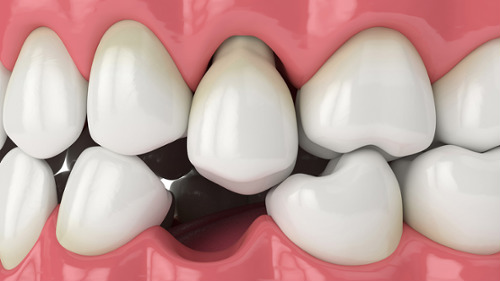
When you lose a tooth, you may not think much about the long-term consequences, especially if it’s located in the back of your mouth and not visible when you smile. However, a single missing tooth can have significant effects on your oral health and facial structure. Without a replacement, the surrounding teeth, jawbone, and facial muscles can begin to change in ways that affect both appearance and function. Below, we’ll discuss what happens after you lose a tooth, so you can protect your long-term dental health.
Bone Loss Begins in the Jaw
Your tooth plays an important role in stimulating your jawbone. When you chew, you put pressure on the bone, which helps maintain its strength and density. Once you remove that tooth, you lose some of that stimulation.
- Over time, your body will begin to reabsorb the bone in that area.
- This process is called resorption, and it can begin within months of losing a tooth.
- As the bone shrinks, it may affect the shape of your jaw and reduce support for nearby teeth.
- When bone loss from one missing tooth may be gradual, it can still cause changes in the structure of your face and jawline.
Nearby Teeth Start to Shift
You need all your teeth to keep your smile properly aligned. When you lose a tooth and don’t replace it, the surrounding teeth can start to drift into the empty space due to the missing support.
Shifting teeth can lead to changes in your bite, make it difficult to clean between your teeth, put you at a higher risk of cavities and gum disease, and cause jaw discomfort, wobbly teeth, or uneven wear.
Over time, this shifting can alter the symmetry of your smile and affect how your teeth meet when you bite down.
Bite and Jaw Function Change
A single missing tooth can affect the balance of your bite. When your teeth shift or your jawbone shrinks, you start to place uneven pressure on certain teeth and jaw joints. This can lead to changes in your chewing pattern.
Those missing a tooth may experience:
- Jaw soreness or fatigue.
- Chronic headaches.
- Clicking or popping sounds in the jaw.
- Difficulty pronouncing certain words.
- Increased wear on remaining teeth.
These changes may develop slowly, but they can lead to more complex dental issues if left untreated.
Facial Structure Loses Support
Bone, teeth, and soft tissues work together to support facial structure. When bone loss occurs in the jaw, the surrounding facial tissues can lose some of their support.
Over time, you may notice:
- Changes in lip support.
- Sunken cheeks.
- Slight flattening of the jawline.
- Wrinkly skin around the mouth.
- Minor asymmetry in the lower face.
Additional Complications
Remaining Teeth Become Stressed
When you lose a tooth, the remaining teeth take on more of the workload when chewing. This added stress can increase the likelihood of tooth fractures, excessive enamel wear, gum recession, and continued tooth loss. Replacing a missing tooth helps distribute chewing forces evenly and protects the surrounding teeth from unnecessary strain.
Sinuses Start to Expand
If you lose teeth from the back upper jaw, the sinus cavity above will start to expand downward into the vacant space due to bone loss. This can lead to sinus infections, congestion, and difficulty with future dental implants. In some cases, a sinus lift may be required to add bone material and restore the proper position.
Replacement Options
Replacing a tooth helps restore your smile and maintain the health and structure of your entire mouth.
| Option | Benefits |
|---|---|
| Dental Implants | Replace the tooth and root; preserve jawbone density. |
| Dental Bridges | Fill the gap by anchoring to nearby teeth. |
| Partial Dentures | Replace one or several missing teeth. |
Your dentist will recommend the best option based on the location of the missing tooth, bone health, and your long-term goals.
Protect Your Smile After Tooth Loss: Tooth loss doesn’t have to lead to lasting changes. With timely treatment, you can maintain your jawbone, keep your teeth aligned, and preserve your natural facial appearance.