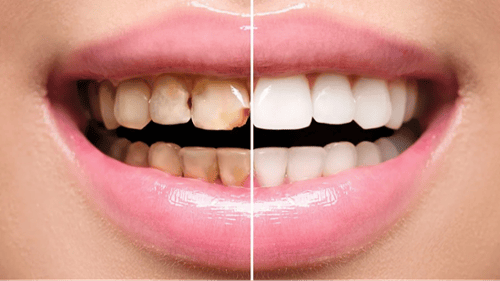
Everything You Need to Know About Dental Veneers
The appearance of a person’s smile can have a huge impact on their self-esteem. Some people who struggle with chips, cracks, or stains have turned to dental veneers to cover up these imperfections and give them a smile they can be proud to wear. But what exactly are veneers, and how do they work?
If you’re considering this cosmetic dental treatment, here’s everything you need to know.
What Are Dental Veneers?
Dental veneers are thin, custom-made shells designed to cover the front surface of your teeth. They are typically made from porcelain or composite resin and are bonded to your teeth to improve their appearance. Veneers can change the color, shape, size, or length of teeth, giving you a natural-looking, beautiful smile.
Types of Veneers
Porcelain Veneers
- Porcelain is highly durable and resistant to staining.
- They mimic the light-reflecting properties of natural teeth.
- They usually require two visits to a dentist: one for preparation and one for placement.
Composite Resin Veneers
- These veneers are made from a tooth-colored resin that is applied and sculpted directly onto your teeth.
- They are less expensive than porcelain veneers and require only one visit to the dentist.
- However, they are less durable and more prone to staining compared to porcelain.
Veneers can be bonded to many different teeth, but most people get the upper front teeth replaced as they’re the most visible when you smile.
Benefits of Dental Veneers
- Improved Appearance: Veneers can fix chips, cracks, discoloration, and gaps, and give you a natural-looking smile.
- Stain Resistance: Porcelain veneers are non-porous and resist coffee, tea, tobacco, and wine stains.
- Durability: With proper care, veneers can last 10 to 15 years or even longer.
- Minimal Tooth Alteration: Dentists only need to shave off a small amount of enamel (this helps your veneers stay in place).
- Quick Results: Veneers provide a fast, painless solution for those wanting a smile makeover.
- Tooth Protection: Veneers can act as a protective layer for sensitive or slightly damaged teeth, reducing the need for more extensive dental work.
Are You a Good Candidate?
Veneers work well for people who:
- Have discolored teeth that don’t respond to whitening.
- Have worn, chipped, or broken teeth.
- Want to close gaps or slightly misaligned teeth.
They may not be suitable for those who have:
- Severe tooth decay or gum disease.
- Weak or damaged teeth that have significant enamel erosion.
- Teeth grinding habits (unless managed with a mouthguard).
The Procedure
- Consultation: Your dentist will evaluate your teeth, discuss your goals, and possibly take X-rays or impressions.
- Preparation: Your dentist removes a thin layer of enamel to make space for the veneer.
- Bonding: The veneer is bonded with a special adhesive and hardened with a curing light.
- Final Adjustments: Your dentist ensures a perfect fit and proper bite alignment.
Care and Maintenance
Veneers don’t damage your teeth, but since enamel is removed, the natural tooth structure underneath can begin to decay if you don’t practice good oral hygiene. To keep your smile in optimal condition:
- Brush and floss daily, just like you would with natural teeth.
- Avoid biting hard objects (like ice or pens).
- Avoid using your teeth as tools (biting nails or opening packages).
- Schedule and attend regular dental checkups.
- Wear a nightguard if you grind your teeth.
Veneers may make your teeth more sensitive to heat and cold, and, in some cases, a veneer may fall off or become dislodged. However, overall, this procedure shouldn’t affect eating, drinking, or participating in daily activities.
Cost Considerations
Veneers can be a significant investment. Porcelain veneers typically cost more than composite, but they last longer and offer a more natural look. Your dental insurance may not cover cosmetic procedures, so you should discuss financing options with your dentist.
Are Veneers Permanent?
Veneers are considered a permanent treatment because a small amount of enamel has to be removed to place them. Once enamel is removed, it can’t grow back. Once veneers reach the end of their lifespan, they will need to be replaced to protect your smile.
If you’re not ready for something permanent, consider dental bonding, which can fix minor chips or gaps with less of a commitment.
Upgrade Your Smile Today
Dental veneers offer a lasting solution for anyone wanting to enhance their smile. From correcting discoloration and chips to closing gaps and reshaping teeth, veneers can give people a natural, confident appearance. If you’re interested in this cosmetic procedure, consult with a qualified dentist to explore your options and take the first step toward a transformation you’ll love.