Tooth Ligaments: The Hidden Support System Behind Your Smile
While most people know that teeth have enamel, roots, and nerves, many are surprised to learn that their teeth also have ligaments. These tiny but important connective tissues play an important role in keeping your teeth stable, comfortable, and healthy every day.
Without ligaments, your teeth would struggle to handle normal biting and chewing forces. Understanding how these tissues work and how to protect them can help you better support your long-term oral health.
What Are Tooth Ligaments?
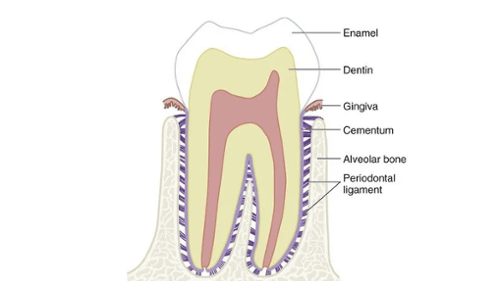
Each tooth connects to your jawbone with a group of fibrous tissues made of collagen called the periodontal ligament (PDL). This ligament acts like a cushion or shock absorber between the tooth root and the surrounding bone.
Instead of being fused directly to the bone, your teeth are suspended slightly within the socket by these fibers. This design allows your teeth to absorb pressure from chewing, stay stable while also having flexibility, sense pressure and force when biting, support healthy jaw function, and help protect teeth from damage.
Periodontal ligaments are part of the larger support system around the teeth, which also includes the gums, cementum, and jawbone.
Why Are Tooth Ligaments Important?
These tissues do a lot more than simply hold your smile in place. Healthy periodontal ligaments help maintain comfort and function throughout your mouth.
- Shock Absorption: Every time you chew, bite, grind, or clench your teeth, you place pressure on your teeth and jaw. Periodontal ligaments help absorb and distribute that force evenly, reducing stress on the surrounding bone.
- Tooth Stability: Ligaments help anchor teeth securely while still allowing for microscopic movements that prevent excessive pressure buildup and let braces shift teeth into proper alignment.
- Sensory Function: The periodontal ligament contains nerves that help detect pressure and texture when chewing. This helps you recognize when something feels too hard or uncomfortable when biting down.
- Healing and Support: These tissues also help support repair and regeneration around the tooth structure when a minor injury or stress occurs.
- Nutrient Supply: These ligaments house blood vessels that deliver vital nourishment to the surrounding cementum, gums, and bone tissue.
What Can Damage Tooth Ligaments?
Like other connective tissues in the body, periodontal ligaments can become inflamed or damaged over time.
- Gum Disease: One of the common threats to tooth ligaments is periodontal disease. Bacteria and inflammation can begin destroying the tissues and bone that support the teeth. If you experience bleeding gums, swelling or tenderness, persistent bad breath, gum recession, or loose teeth, you may want to schedule a visit with your dentist.
- Teeth Grinding and Clenching: Excessive grinding (bruxism), as well as clenching, nail biting, and chewing on objects, can place constant stress on your ligaments, leading to soreness, enamel wear, tooth sensitivity, jaw pain, headaches, and even tooth mobility.
- Trauma or Injury: Sports injuries, falls, or accidents can strain or tear the ligament surrounding a tooth. Even minor trauma may cause slight tenderness when biting.
- Poor Oral Hygiene: Plaque and tartar buildup increase inflammation around the gums and supporting tissues, eventually affecting the periodontal ligaments.
- Misaligned Bite: An uneven bite can place excessive force on certain teeth, leading to ligament irritation and discomfort.
How to Take Care of Your Tooth Ligaments
You can protect your periodontal ligaments by maintaining good oral health habits.
- Brush and Floss Consistently: Brush twice daily with a soft-bristled toothbrush and floss once daily to remove plaque and bacteria that can lead to gum disease and inflammation around the supporting tissues. When brushing, use gentle circular motions and clean carefully along your gumline.
- Schedule Regular Dental Cleanings: Professional cleanings help remove hardened tartar that you may struggle to eliminate with regular brushing. Dental exams can also help detect bite issues or signs of gum disease before they become a serious issue.
- Address Teeth Grinding: If you wake up with jaw soreness, headaches, or worn-down teeth, you may suffer from bruxism. Consider wearing a custom nightguard to help reduce pressure on the periodontal ligaments.
- Protect Your Teeth During Sports: Wear a mouthguard during athletic activities to help reduce the risk of tooth and ligament injuries from impact.
- Avoid Using Teeth as Tools: Avoid opening packages, chewing ice, or biting hard objects, as these habits can strain the ligaments and increase the risk of cracked teeth or trauma.
- Maintain Healthy Gums: When your gums are healthy, they help protect the deep structures that support the teeth. If you notice bleeding, swelling, or pain, you should seek dental care promptly.
Protect Your Teeth Ligaments
Your teeth rely on more than just enamel and roots to stay healthy. Periodontal ligaments play an important role in supporting tooth stability, absorbing pressure, and maintaining comfort when chewing and speaking. By practicing good oral hygiene, scheduling routine dental visits, and protecting your teeth from excessive pressure, you can keep these important tissues healthy for years to come.